Understanding the Role of Aussteller in Trade Shows
In the dynamic landscape of trade shows and exhibitions, the term Aussteller, meaning exhibitor in English, embodies a vital role for businesses looking to enhance their visibility and engagement within a competitive market. With the rapid evolution of industry standards and consumer expectations, understanding the nuances of what it means to be an Aussteller is essential for success. When exploring options, Aussteller provides comprehensive insights into the exhibitors present at various trade shows, helping businesses identify opportunities for growth.
What is an Aussteller?
An Aussteller is an entity, often a company or an individual, that showcases products or services at trade fairs, exhibitions, and industry events. This term is derived from the German language but is widely recognized across the globe in various forms. The role of an Aussteller extends beyond mere display; it includes the strategic presentation of offerings, interaction with potential customers, and networking with industry peers. In essence, an Aussteller acts as a bridge between the company and its target audience, making them crucial to the success of any trade event.
The Importance of Aussteller for Brand Visibility
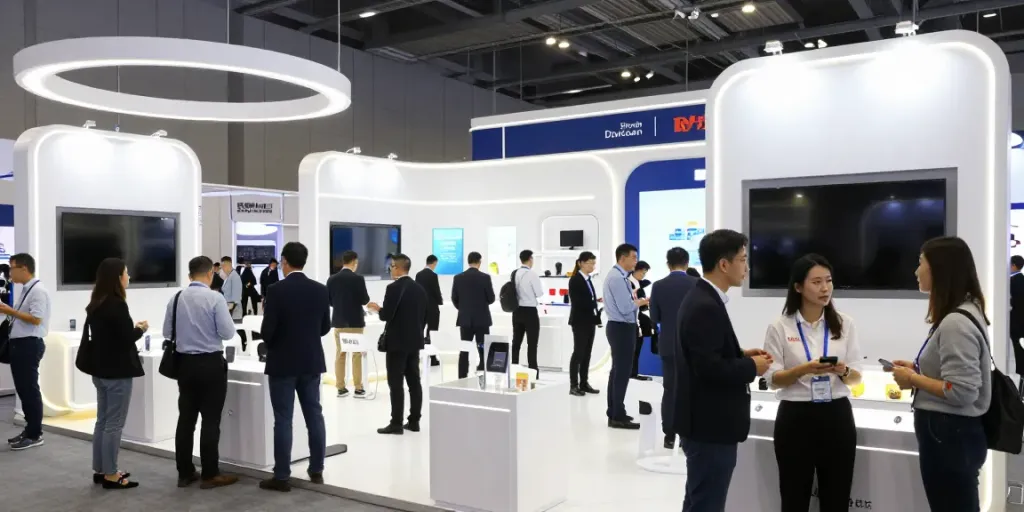
For many businesses, participating as an Aussteller can significantly enhance brand visibility. Trade shows are often attended by targeted audiences actively seeking solutions that exhibitors provide. By showcasing products and services, Aussteller can establish a direct line of communication with potential customers, engage in meaningful conversations, and ultimately drive sales. Notably, the visual aspect of a booth and the overall presentation styles are pivotal in attracting attendees. Therefore, creativity and strategic marketing play essential roles in maximizing the impact of an Aussteller's presence.
Common Misconceptions about Aussteller Participation
Despite the clear advantages of being an Aussteller, there are several misconceptions that hinder businesses from fully embracing this opportunity. Some believe that simply displaying products is enough to generate leads, while others think that only large corporations can benefit from exhibiting. In reality, regardless of size, all businesses can leverage trade shows to connect with their audience, showcase innovations, and understand market trends. Additionally, effective strategy and preparation are often more important than the size of the booth or the amount of product displayed.
Strategic Planning for Aussteller Success
To maximize the outcomes of their participation, Aussteller must engage in strategic planning that aligns with their business objectives and market positioning. A comprehensive strategy not only involves logistical considerations but also encompasses marketing efforts, engagement techniques, and post-event follow-ups.
Setting Clear Goals for Your Aussteller Strategy
Defining clear, measurable goals is the first step in crafting an effective Aussteller strategy. Goals may include increasing brand awareness, generating leads, or gathering market intelligence. By clearly articulating these objectives, businesses can tailor their presentations, messaging, and follow-up activities accordingly. For example, a business aiming to gather leads might prioritize interactive displays and engage attendees with giveaways or contests.
Budgeting for Effective Aussteller Engagement
Effective budgeting plays a crucial role in the success of any Aussteller participation. This involves not only the cost of the booth space but also expenses for design and construction, promotional materials, travel, and accommodations. A well-planned budget allows businesses to allocate resources efficiently, ensuring that all aspects of their participation are adequately funded, thus maximizing their return on investment.
Selecting the Right Trade Shows for Your Aussteller Needs
The selection of trade shows is a critical aspect of the Aussteller strategy. Not every event aligns with every business, so it is essential to conduct thorough research. Look for trade shows that attract the target demographic you wish to engage. Consider factors such as the show's size, location, historical attendance numbers, and the reputation of the organizers. Participating in niche shows can also yield better results as they often attract a more focused audience.
Creating a Compelling Aussteller Booth Experience
Once the planning phase is complete, the next step is to create a compelling booth experience that captivates attendees and effectively communicates the brand message. An engaging booth not only attracts visitors but also creates memorable interactions that can translate into business relationships.
Design Principles for an Attractive Aussteller Booth
The design of an Aussteller's booth should reflect the brand’s identity while being visually attractive. Effective design includes utilizing bold graphics, dynamic layouts, and engaging color schemes. Additionally, the booth should facilitate easy navigation, allowing attendees to engage with products or services effortlessly. A well-designed booth not only draws attention but also encourages attendees to spend more time exploring offerings.
Engagement Techniques for Captivating Attendees
Engagement techniques are essential for drawing attendees into the booth. This may include interactive displays, live demonstrations, or even virtual reality experiences. The goal is to create immersive experiences that resonate with visitors. Incorporating staff training to ensure that the team is knowledgeable and approachable also enhances the level of engagement. Attendees are more likely to interact positively with exhibitors who are friendly and informed.
Leveraging Technology in Your Aussteller Display
In today’s fast-paced environment, leveraging technology can set an Aussteller apart. Utilizing digital displays, touch screens, or augmented reality can enhance visitor experiences. QR codes that link to more information, videos, or promotional content can also facilitate attendee engagement. Additionally, technology can streamline lead capture, making it easier for exhibitors to follow up with potential customers after the event.
Measuring the Impact of Your Aussteller Activities
Measuring the effectiveness of Aussteller activities is crucial for understanding the return on investment and refining future strategies. By setting key performance indicators (KPIs) and collecting data, businesses can gain valuable insights into their performance.
Key Metrics to Track Aussteller Performance
Key metrics to evaluate might include the number of leads generated, the quality of interactions at the booth, brand impressions, and social media engagement. Tracking these metrics enables businesses to assess the impact of their participation and refine their strategies accordingly. For instance, by analyzing which types of presentations led to more leads, a company can adjust their approach in future events.
Analyzing Attendee Engagement and Feedback
Engagement data is invaluable for improving future Aussteller efforts. Collecting feedback through surveys or direct conversations can provide insights into attendee perceptions and experiences. Understanding what attracted visitors or what they found lacking helps businesses adapt their strategies effectively, ensuring that they meet attendee expectations at future shows.
Adjusting Strategies Based on Performance Data
Continuously adjusting strategies based on performance data enables Aussteller to remain competitive in their industries. Utilizing lessons learned from previous shows can inform everything from booth design to staff training. By maintaining flexibility and a willingness to adapt, businesses can consistently enhance their presence and engagement at trade shows.
Future Trends for Aussteller in 2026 and Beyond
As the trade show landscape evolves, Aussteller must stay ahead of emerging trends that shape the industry. Understanding these trends not only prepares businesses for the future but also positions them to capitalize on new opportunities.
Emerging Technologies Shaping the Aussteller Landscape
Emerging technologies such as AI, augmented reality, and virtual reality are transforming how Aussteller engage with attendees. These technologies can create interactive experiences that provide valuable insights into consumer behavior and preferences. Businesses that embrace these innovations will likely gain a competitive edge as they offer unique experiences that stand out in crowded trade show environments.
Adapting to Changing Consumer Preferences
As consumer preferences shift towards more personalized and meaningful experiences, Aussteller will need to adjust their strategies accordingly. This may involve tailoring presentations to specific audience segments or utilizing data analytics to anticipate attendee needs. Staying attuned to these preferences ensures that Aussteller remain relevant and engaging to their target audiences.
Predictions for Aussteller Strategies in the Next Decade
Looking forward, it is anticipated that Aussteller will increasingly focus on sustainability and ethical practices. As consumers become more environmentally conscious, businesses that demonstrate their commitment to sustainable practices in their displays and operations can enhance brand loyalty. Furthermore, fostering genuine connections with attendees will become paramount, as deep relationships are often more valuable than individual sales.