Understanding the slot 10k in Dog Daycare
In the competitive landscape of dog daycare services, an efficient scheduling system is crucial for maximizing engagement and ensuring a smooth operation. One such system is known as the slot 10k, which refers to a structured approach for managing the daily capacity of a facility. Understanding its nuances allows dog daycare operators to enhance their services and provide a better experience for both pets and their owners.
What is slot 10k and its importance?
The term "slot 10k" encapsulates a model for managing and optimizing the number of dogs a daycare can accommodate while ensuring quality care and engagement. This system helps daycare facilities establish a baseline for operational capacity, directly influencing financial performance and customer satisfaction. The slot 10k methodology is critical because it provides clear guidelines for managing space, staff allocation, and resources, ultimately leading to enhanced pet safety and care.
Benefits of optimizing dog daycare slots
- Increased Profitability: By optimizing dog slots, facilities can increase their revenue without sacrificing quality of care.
- Improved Customer Satisfaction: A well-managed environment ensures that dogs receive adequate attention, leading to happier pets and more satisfied owners.
- Operational Efficiency: Streamlining schedules helps staff manage their time better, reducing stress and improving job satisfaction.
- Enhanced Safety: With a structured approach, the risks associated with overcrowding and mismanagement decrease significantly.
Common misconceptions about capacity management
Despite the clear advantages of employing a slot 10k framework, several misconceptions exist regarding capacity management in dog daycares. One common myth is that increasing the number of dogs will automatically lead to higher profits. However, this often results in diminished care quality and can hurt a daycare’s reputation. Another misconception is that all dogs can be grouped together without consideration for their temperaments. Properly managing slots means recognizing the unique needs of various breeds and sizes, and applying this knowledge to scheduling.
Maximizing Engagement and Playtime
Creating engaging play environments for dogs
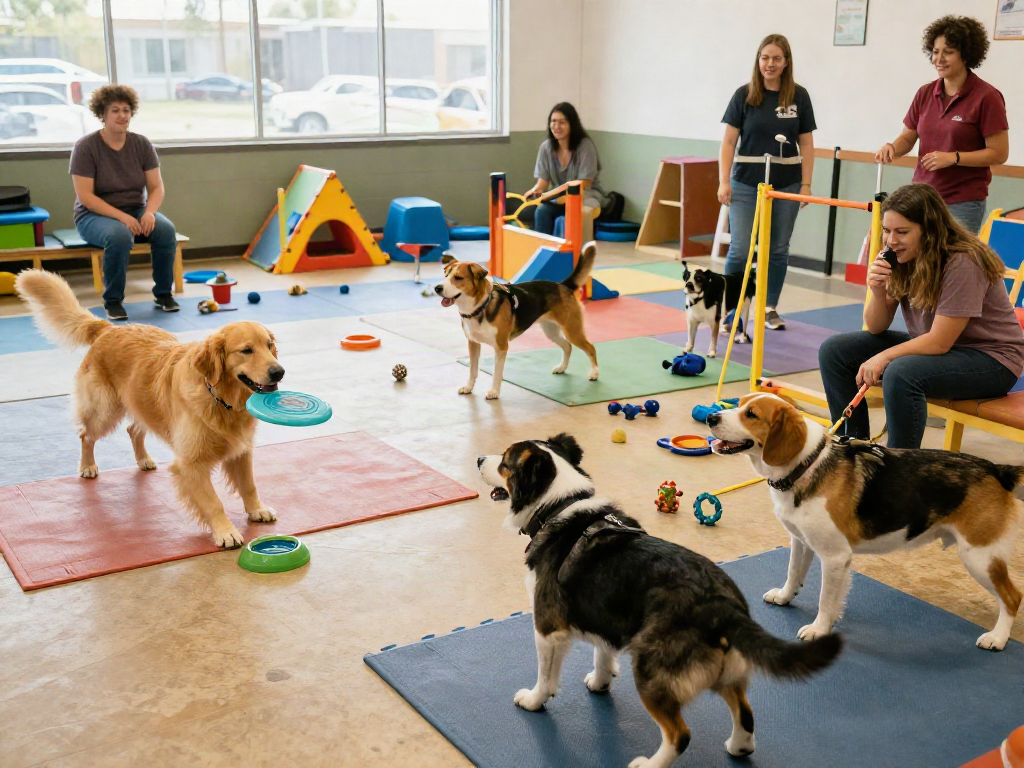
To maximize the effectiveness of the slot 10k system, creating engaging play environments is paramount. Innovative backyard designs, incorporating agility equipment, and providing various textures and spaces for exploration can significantly enhance dogs' experiences.
Strategies to enhance dog interactions
Effective dog interactions are key when optimizing slots. Implementing structured play sessions allows dogs to engage socially, which is essential for their mental health and well-being. Training staff to recognize and facilitate positive encounters can establish a harmonious daycare environment.
Using toys and activities to optimize play slots
Utilizing toys and activities can effectively optimize play slots. By rotating toys and introducing new activities, daycares can keep dogs mentally stimulated and engaged, minimizing stress and promoting healthy behavior patterns.
Effective Scheduling Strategies
Best practices for scheduling dog daycare slots
Effective scheduling is fundamental to maximizing the slot 10k framework. One best practice is to employ a staggered arrival and departure schedule, which can alleviate congestion during peak hours. Utilizing software to manage bookings can also enhance accuracy in slot allocation and help staff prepare for incoming dogs.
How to accommodate various dog temperaments
Recognizing different dog temperaments is crucial for successful scheduling. For instance, more active breeds may require more space and structured playtime, whereas anxious dogs might benefit from quieter areas. By categorizing dogs into groups based on temperament, daycares can design schedules that cater specifically to their needs.
Tips for managing peak times efficiently
Managing peak times efficiently requires proactive strategies. Some tips include adjusting staff schedules to increase coverage during busy periods, allowing for flexibility in bookings, and promoting off-peak visits with special offers. These practices can distribute attendance more evenly across the week and optimize the use of slot 10k.
Measuring Success in Dog Daycare
Key performance indicators for dog daycare management
To gauge the success of daycare operations, key performance indicators (KPIs) should be established. Metrics such as customer retention rates, average daily attendance, and client satisfaction survey results can provide valuable insights into how effectively the slot 10k system is functioning.
Evaluating customer satisfaction related to slot 10k
Regularly evaluating customer satisfaction is essential for maintaining service quality. Surveys and feedback forms can help identify areas of improvement relating to the slot 10k model, allowing for responsive adjustments to scheduling and services offered.
Adjustments based on feedback and performance metrics
Leveraging feedback and performance metrics enables daycares to refine their operations continuously. Analyzing data from bookings and customer comments can highlight trends and areas needing adjustment, ensuring that the daycare adheres to optimal practices and maintains high-quality care.
Future Trends in Dog Daycare Management
Emerging technologies influencing the dog daycare industry
The dog daycare industry is evolving rapidly, with emerging technologies changing how facilities operate. Innovations like AI scheduling systems, automated check-in processes, and mobile apps for pet owners are becoming increasingly common, driving efficiency and enhancing customer experience.
Predictions for dog daycare space utilization in 2026
Looking ahead to 2026, predictions suggest that dog daycare facilities will continue to optimize their spaces further. Implementing smart technology to track available slots and manage capacity in real-time will likely become industry standard, allowing businesses to maximize potential without compromising care.
Adapting to changing pet owner expectations
As pet owners become more discerning about service quality, daycare providers must adapt to these evolving expectations. Offering personalized care plans and flexibility in scheduling can set successful businesses apart from the competition, aligning with the principles inherent in the slot 10k approach.
What are the key benefits of using slot 10k for dog daycare?
The slot 10k framework provides numerous advantages, including enhanced profitability, improved customer satisfaction, and operational efficiency. By ensuring a well-managed capacity, dog daycares can create a nurturing environment that contributes to better behavioral outcomes for dogs.
How can I improve my dog daycare's scheduling?
Improving scheduling can be achieved by adopting automated booking systems, employing data analytics to forecast demand, and regularly reviewing capacity management practices to ensure they align with best practices.
What metrics should I track for my dog's daycare performance?
Important metrics to track include daily attendance, customer retention, feedback from surveys, and incident reports. Analyzing these data points can provide insights into operational effectiveness and areas for improvement.
How do I handle peak visitation times in dog daycares?
To manage peak times effectively, implement staggered scheduling, increase staffing levels, and consider offering incentives for off-peak visits. This can help balance attendance and ensure a high quality of care.
What future trends should dog daycare owners watch for?
Dog daycare owners should keep an eye on technological advancements, changing consumer preferences, and the increased demand for personalized services. These trends will shape the future of the industry and present new opportunities for growth and improvement.